Slot play begins with a stake set and the reels set in motion. The symbols land into fixed grid positions, and that first arrangement is the result the player sees. From there, the screen may simply settle, or a winning pattern may clear and new symbols fall into place. Reading a slot comfortably means knowing what each part of the display is doing, and how one result can lead into another without a second stake.
When symbols settle on the screen
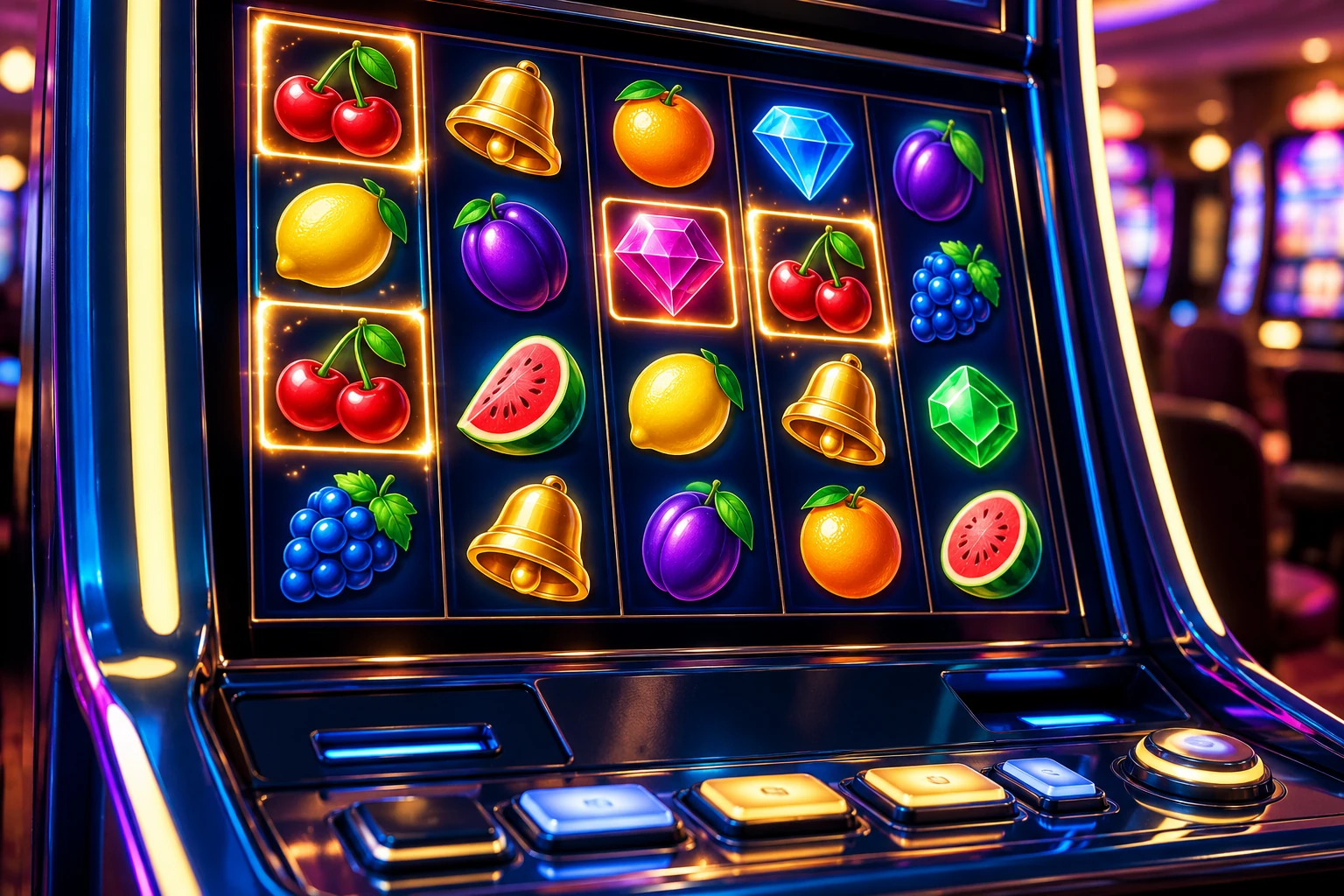
Reels turn, then stop in order, and the visible symbols form the first result of that spin. The grid is a set of positions that stay fixed while the symbols inside them change. On classic-style reels, the layout is often compact and the round ends once the reels settle. Video slots use the same basic frame but may bring in larger grids, extra rows or animated transitions.
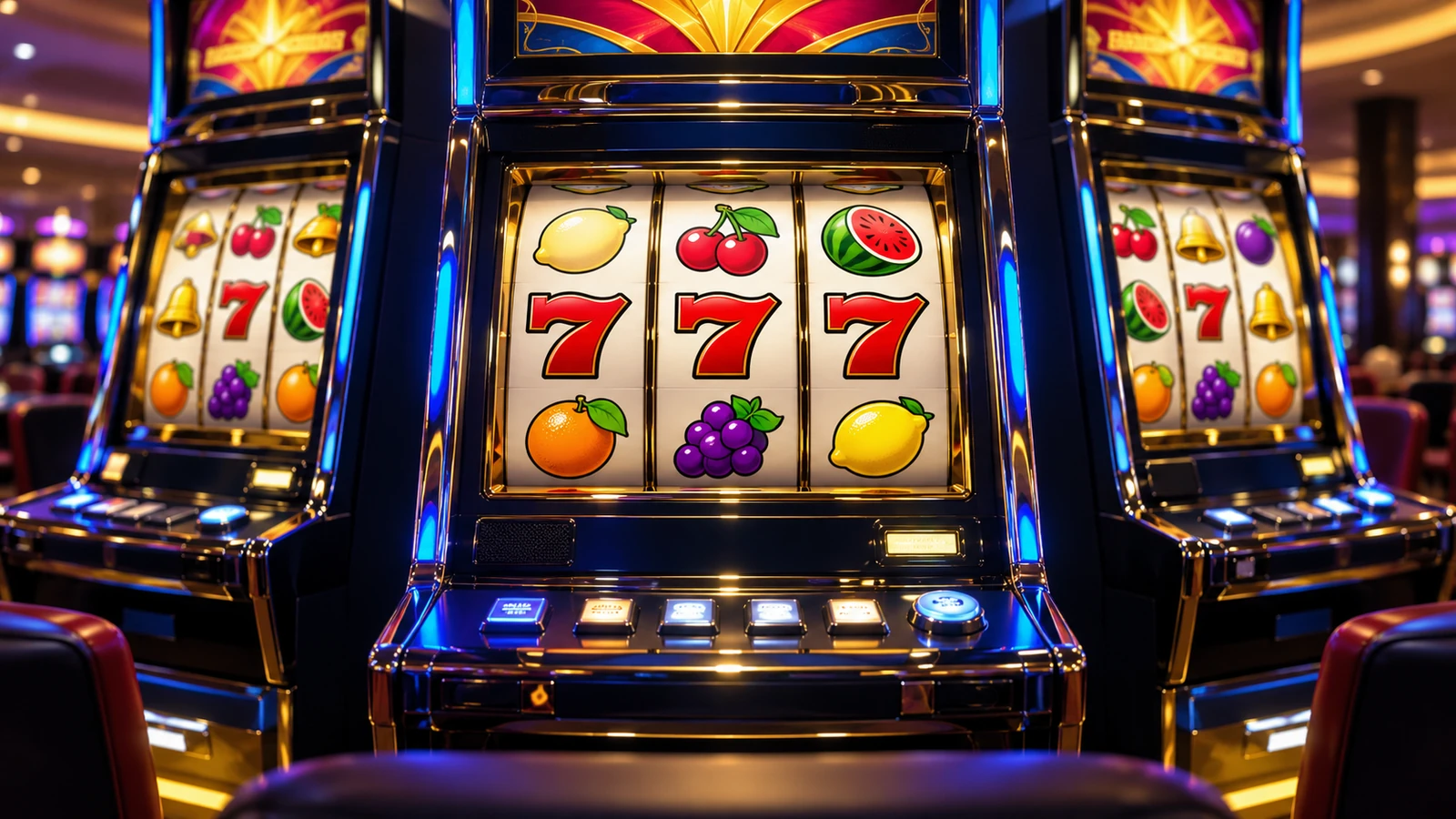
A jackpot game adds another layer on top of that settling screen, usually through a separate prize pool or a bonus trigger. The symbols still obey the game’s own rules, and the jackpot sits alongside those ordinary outcomes. What matters at the start is recognising that the stopped symbols are the result, and that any secondary motion belongs to the rules of that particular title.
The different jobs a symbol can do
Most symbols are ordinary paying icons, and their value depends on the pattern and group size shown in the paytable. Wilds and scatters work differently, and they only appear where the game uses them. A wild can substitute for other symbols to complete a paying arrangement, while a scatter typically pays or triggers something without needing a line. Some slots also use expanding, sticky or collectible symbols that change the state of later rounds.
Win detection varies by game. Line games check specific paths across the reels, and those paths may run left to right or in another direction as the rules state. Ways-to-win games count matching symbols on adjacent reels and multiply the number of matching positions. Group-pay games count sets of matching symbols under their own rules, and anywhere-pays games count matching symbols across the whole grid. Each version publishes its own combination rules, so the screen language follows the title.
A simple cluster illustration helps. Imagine a hypothetical grid where five blue glass blocks sit in an L shape, sharing edges. If a game requires five matching symbols in a connected group, that shape can qualify. A pair of two would not, no matter where it lands. That edge-sharing rule belongs to the illustration only, and each named game states its own grouping requirement.
From a winning pattern to a cascade
When a winning pattern is confirmed, the game pays according to the paytable and often highlights the involved symbols. In a cascade slot, those winning symbols then leave the grid, and the remaining symbols fall to fill the gaps. New symbols drop in from above, and the game evaluates the new arrangement. This can repeat within the same spin until no further win appears.
Cascades change the shape of a round. A single stake can produce several resolutions, and the screen shows each one in turn. Some games mark the positions where wins occurred and attach a multiplier that grows on repeat wins at the same spot. Others trigger free spins or respins from a scatter combination. Free spins run a set number of rounds without a new stake, and respins give a small number of extra drops. Sticky and expanding symbols carry their positions through a feature, and those rules belong to the specific game version being played.
A group game with marked positions
Sugar Rush, made by Pragmatic Play, is an external mechanism example used here to show how group detection and persistent marks can work together. Its availability on Slotrave is unconfirmed, and the rules below belong to that version. The game pays a group of five or more matching symbols. When a winning group appears, the positions it occupied are marked. If a later win during the same spin includes a marked position, a multiplier applies, starting at 2x and doubling up to 128x.
Three to seven scatter symbols award 10, 12, 15, 20 or 30 free spins, and marked positions and their multipliers remain active during that free-spin feature. The marks turn the feature into a continuing state rather than a fresh start after every tumble. A player watching the screen can follow the marks, see where the next group might land, and understand why a win on a marked spot shows a different value.
The paytable supplies the symbol values and group sizes, while the game information explains the trigger and multiplier behaviour. Neither promises a future result; they describe how an outcome is calculated when it occurs.
What changes during a free-spin feature
Free spins carry the base game’s symbols and paying patterns into a fixed number of rounds, often with an added multiplier or persistent marks. The feature is defined by the game’s own rules, so the exact behaviour differs between titles. In Sugar Rush, positions marked during the feature stay marked for the rounds that follow, and multipliers built on those positions stay active under the same rule. Each new winning group can add to the marked state as the feature runs.
What does not change is the random nature of each spin within the feature. A retained mark alters the feature state, and it can affect how a later win is valued. It does not turn a non-winning drop into a promised win. The multiplier ladder is part of the feature’s calculation, and its steps are visible on screen as the feature progresses.
Award sizes and multiplier steps are fixed by the game, and the feature ends when the spin count runs out. Prior results inside a feature do not promise a compensating award; the retained state simply follows the rules written for that feature.
Paytable values and the displayed result
The paytable links each symbol to a value at a given group size or line count. Values are usually quoted against the current stake or a base unit, and the screen totals the awards according to the game’s rules. When several groups form at once, each is evaluated and paid as the rules describe. A cascade then clears the winning positions and fills the grid again.
If a result looks different from what the paytable suggests, the game information takes precedence. A version shown on the title screen may have slight differences from a similar-looking game. Checking that screen once at the start helps a player follow what the display is counting.
Keeping the action legible on a smaller screen
On a compact layout, the most useful separation is between symbols and marked positions. Ordinary symbols change with every drop, while a mark belongs to the grid and survives the next resolution. When both sit close together, the eye can lose track of which blue block is a symbol and which square is a mark. Games that use this mechanic usually give marks a distinct treatment, and following that treatment matters more than the size of the window.
The second separation is between the current win and the feature state. A value shown next to a resolved group is an award for that moment. A multiplier attached to a marked position is potential that applies when a later win covers it. Reading the two as one number misstates what the screen is doing. A compact layout can bury this distinction behind a quick animation, so it pays to watch a full sequence once.
The third separation is between stakes and multipliers. A multiplier describes how a win is calculated, and it does not describe how much was staked. On any narrow screen, those labels can appear near each other without referring to the same thing. Players who read the paytable and the game information screen before the first spin tend to follow the sequence with less confusion.
Slotrave supports mobile play, so a player can choose a quiet moment and a comfortable screen size before starting. Whatever the layout, the symbols, win highlights and rules remain the parts that explain a result.
Slots beside the live card table
Slotrave carries slots, live casino, Teen Patti, Andar Bahar and Rummy, so a player can move between very different screen rhythms. A live card table settles one hand and then deals again. A cascade slot may keep resolving within a single spin. Players who enjoy the social pace of a live table can look at Teen Patti at the live table, while those who like the reference card can read about Andar Bahar and the reference card.
For players on a phone, Slotrave mobile play covers the practical side of using the site on a smaller screen. The mechanics discussed here describe general slot behaviour, and each game’s own paytable and information screens remain the authority on how that title calculates a result.
Slotrave is for players aged 18 and over, and standard terms and conditions apply.